Pashmina is one of the most luxurious and revered natural fabrics in the world, often described as the “king of wools” or the “diamond fibre.” Synonymous with elegance, warmth, and refined craftsmanship, it is deeply rooted in the cultural heritage of the Kashmir Valley.
The word Pashmina originates from the Persian term “pashm,” meaning fine wool. In the Kashmiri context, pashm refers to the raw, unspun underwool, while pashmina denotes the spun yarn and the exquisite handwoven shawls crafted from it.
Origin and Source
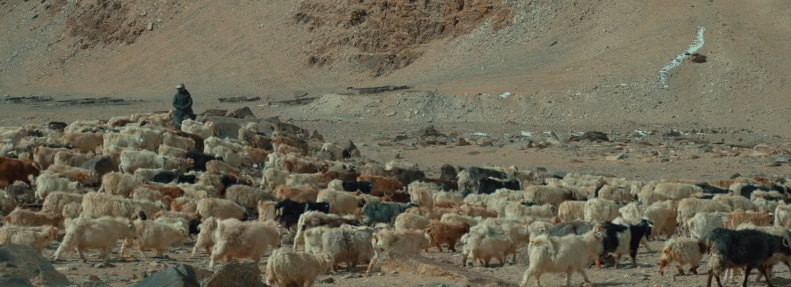
Authentic Pashmina comes exclusively from the ultra-fine undercoat of the Changthangi goat (also known as Changra or Chyangra). These goats inhabit the high-altitude Changthang plateau in Ladakh, parts of western Tibet, and surrounding Himalayan regions.
Living at elevations between 12,000 and 15,000 feet, in temperatures that often drop below freezing, the goats naturally develop an exceptionally soft and insulating undercoat. This fibre is gently combed out during spring moulting season.
Each goat produces only about 80–150 grams of usable pashm annually. It typically requires the fibre from two to three goats to create a single medium-sized shawl, underscoring its rarity and value.
Unique Characteristics
Pashmina stands apart even from regular cashmere due to its remarkable qualities:
- Extraordinary fineness — Measuring approximately 12–16 microns in diameter, it is significantly finer than most commercial cashmere and several times thinner than human hair.
- Lightweight yet exceptionally warm — Its fine fibres trap air efficiently, offering superior insulation without bulk.
- Unmatched softness — Smooth, buttery texture that feels luxurious against the skin.
- Elegant drape — Flows gracefully and is traditionally said to pass through a finger ring (a symbolic test of fineness).
- Breathable and moisture-wicking — Comfortable across varying climates.
- Excellent dye affinity — Absorbs natural dyes deeply, resulting in rich, lasting colours.
Traditional Kashmiri Pashmina shawls are hand-spun on a charkha and handwoven on wooden looms, a meticulous process that may take weeks or even months. Machine processing can damage the delicate fibres, making artisanal craftsmanship essential for preserving authenticity.
Historical Significance
Pashmina’s legacy dates back centuries, gaining prominence during the Mughal era under rulers such as Akbar, Jahangir, and Shah Jahan. Shawls were presented as royal gifts and symbols of honour in ceremonial traditions.
In the 18th and 19th centuries, Pashmina became highly fashionable in Europe. Empress Josephine famously owned numerous Kashmiri shawls, fueling demand across France and beyond. This popularity gave rise to the term “cashmere,” derived from Kashmir.
Today, authentic Kashmiri Pashmina holds a Geographical Indication (GI) tag from the Government of India. To qualify, a product must:
- Use Changthangi goat wool sourced from Ladakh
- Be hand-spun and handwoven in Kashmir
- Follow traditional processing methods
The GI certification helps protect against widespread counterfeits made from synthetic fibres or lower-grade machine-spun wool.
A Living Heritage
More than just a fabric, Pashmina represents centuries of Himalayan pastoral life, Kashmiri artistry, and royal patronage. From the windswept plateaus of Ladakh to the skilled hands of artisans in the Kashmir Valley, each authentic Pashmina shawl embodies heritage, craftsmanship, and timeless luxury.
i need same article in human tone in easy and simple uk english
Pashmina: The World’s Most Luxurious Wool
Pashmina is one of the finest and most luxurious natural fabrics in the world. It is often called the “king of wools” because of its incredible softness, warmth and elegance. Pashmina is closely linked with the beautiful Kashmir Valley, where skilled artisans have been making these shawls by hand for centuries.
The word Pashmina comes from the Persian word pashm, which means fine wool. In Kashmir, pashm refers to the raw wool taken from a special goat, while pashmina means the yarn and the finished shawls made from it.
Where Pashmina Comes From
True Pashmina comes from the soft undercoat of the Changthangi goat. These goats live high in the mountains of Ladakh, where winters are extremely cold. To survive the freezing temperatures, they grow a very fine and warm layer of wool close to their skin.
Every spring, this soft undercoat is gently combed out. Each goat produces only a small amount of usable wool each year. In fact, it can take the wool from two or three goats to make just one shawl. This is one reason why genuine Pashmina is rare and valuable.
Why Pashmina Is So Special
Pashmina stands out because of its unique qualities:
- Very fine fibres – It is much thinner than ordinary wool and even finer than most cashmere.
- Extremely soft – It feels smooth and gentle against the skin.
- Light but very warm – It keeps you warm without feeling heavy.
- Beautiful drape – It falls naturally and elegantly.
- Breathable – It keeps you comfortable in different temperatures.
Traditional Pashmina shawls are hand-spun using a small spinning wheel and then handwoven on wooden looms in Kashmir. This careful process can take weeks or even months. Machine-made versions may look similar, but they do not have the same softness or quality.
A Rich History
Pashmina became famous during the Mughal period in India. Emperors such as Akbar valued these shawls highly and gave them as royal gifts. They were seen as symbols of honour and luxury.
Later, Pashmina became popular in Europe. Empress Josephine, the wife of Napoleon, loved Kashmiri shawls and owned many of them. This helped make Pashmina fashionable across France and beyond. The word “cashmere” actually comes from the name Kashmir.
Today, genuine Kashmiri Pashmina is protected by a Geographical Indication (GI) tag in India. This means that true Pashmina must be made from Changthangi goat wool and handwoven in Kashmir using traditional methods.
More Than Just a Shawl
Pashmina is not just a piece of fabric. It is the result of hard work by mountain herders and skilled Kashmiri craftspeople. Each shawl carries a story of tradition, care and heritage.
When you hold a real Pashmina, you are not just wearing something warm — you are wearing centuries of history and craftsmanship.