If you want to spot fake Pashmina shawl red flags, it is important to know what separates genuine Kashmiri Pashmina from cheap imitations. Today, the global market is full of shawls labelled “Pashmina,” but many of them are made from synthetic fibres like viscose, acrylic, or blended wool.
Authentic Kashmiri Pashmina is one of the finest luxury fabrics in the world. It is produced from the soft undercoat of the Changthangi goat, found in the high-altitude regions of Ladakh. The fibre is extremely fine, usually 12–16 microns, and it is hand-spun and hand-woven by skilled artisans in Kashmir.
Because real Pashmina requires weeks or even months of work, it is naturally expensive. Learning how to spot fake Pashmina shawl red flags can protect you from buying counterfeit products and help you support genuine Kashmiri craftsmanship.
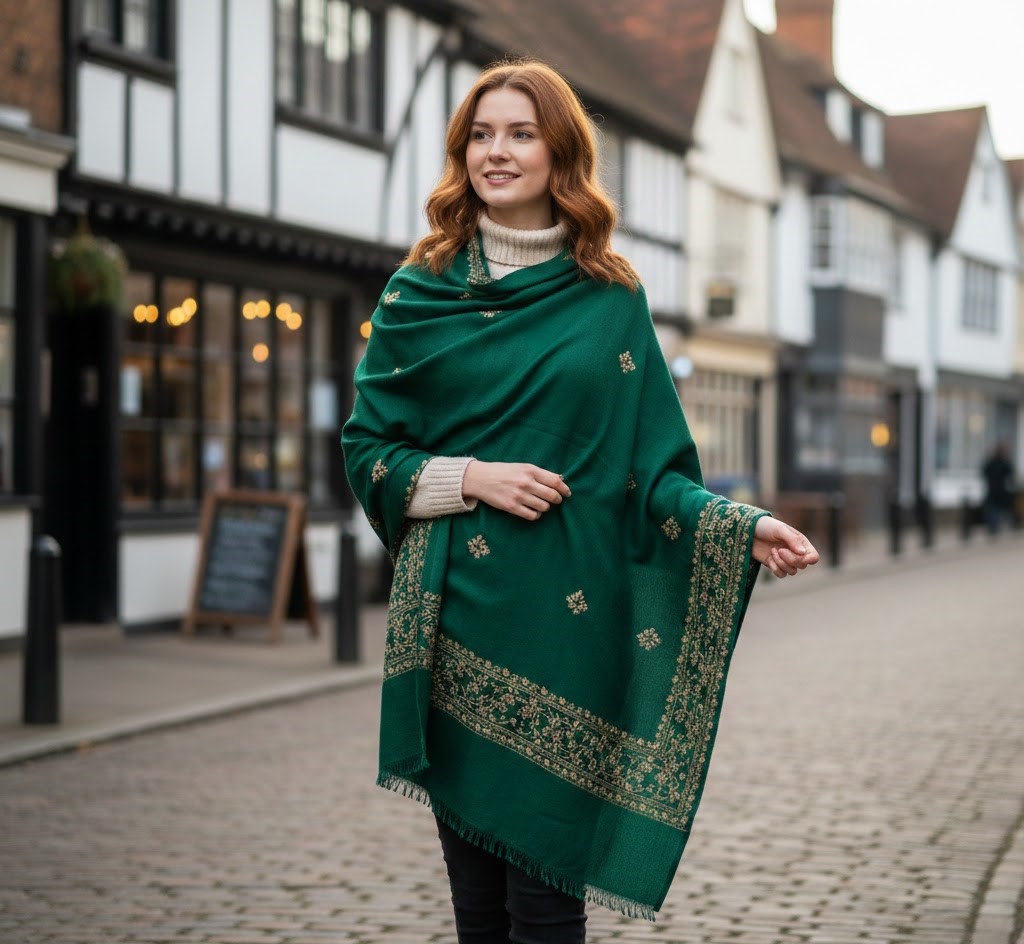
What Makes Real Kashmiri Pashmina Unique
Before you can spot fake Pashmina shawl red flags, it helps to understand what authentic Pashmina actually is.
Real Pashmina comes from the undercoat wool of Changthangi goats living in the cold Himalayan climate. The wool is carefully combed during spring and then transported to Kashmir, where artisans process it through traditional methods.
Key characteristics of authentic Pashmina include:
• extremely fine natural fibres
• hand spinning using traditional charkhas
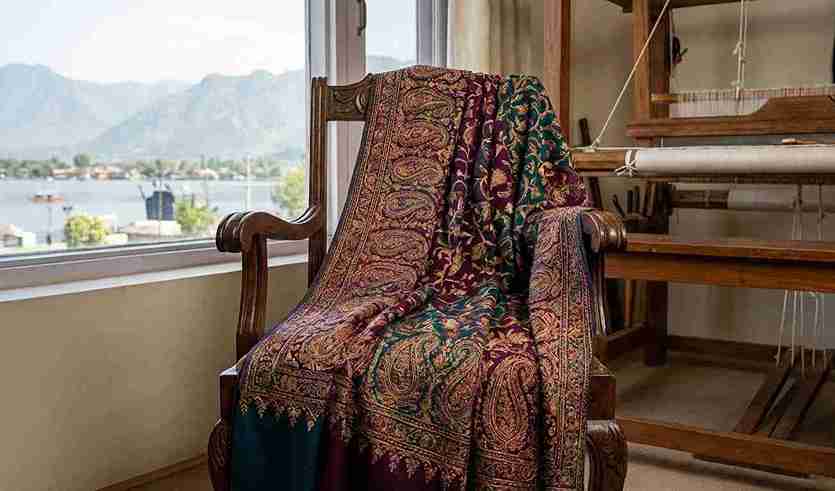
• hand weaving on wooden looms
• lightweight yet extremely warm fabric
Because the process is entirely manual, every shawl has slight variations, which actually confirm authenticity.
1. Price That Looks Too Cheap
One of the easiest ways to spot fake Pashmina shawl red flags is by checking the price.
A genuine handwoven Pashmina shawl rarely sells for very low prices because the production process is labour-intensive.
Typical price ranges in 2026:
• plain Pashmina shawl: ₹12,000 – ₹20,000
• embroidered shawls: ₹30,000 – ₹80,000
• luxury kani or jamawar pieces: ₹1 lakh or more
If a seller offers “100% Pashmina” for ₹2,000 or ₹3,000, it is almost certainly fake.
2. Unnatural Shine and Texture
Another way to spot fake Pashmina shawl red flags is through touch and appearance.
Authentic Pashmina feels:
• incredibly soft
• lightweight
• warm immediately when worn
• slightly matte in appearance
Fake shawls often feel:
• overly shiny
• slippery like synthetic fabric
• rough or stiff
• heavier than genuine Pashmina
Real Pashmina should never feel plasticky.
3. Perfect Machine-Made Weave
Handwoven textiles always have small imperfections. These irregularities are a sign of human craftsmanship.
To spot fake Pashmina shawl red flags, hold the shawl against light and examine the weave.
Authentic shawls usually show:
• slight variations in thread thickness
• minor irregularities in weaving
• natural openness in the fabric
Machine-made shawls, however, look perfectly uniform and overly tight.
4. The Burn Test
The burn test is a traditional method used by experienced traders to confirm fibre authenticity.
To safely perform the test:
- Take a loose fibre thread from the shawl.
- Hold it with tweezers.
- Burn it carefully.
Results:
Real Pashmina
• smells like burnt hair
• leaves soft grey ash
• burns slowly
Fake synthetic fabric
• melts like plastic
• produces a chemical smell
• forms hard beads instead of ash
This method is one of the most reliable ways to confirm authenticity.
5. The Ring Test
Another classic way to spot fake Pashmina shawl red flags is the ring test.
Because Pashmina fibres are extremely fine, a genuine shawl can pass smoothly through a small finger ring.
If the shawl:
• feels bulky
• gets stuck in the ring
• does not slide easily
it may not be pure Pashmina.
However, this test should always be combined with other verification methods.
6. Missing GI Certification
Authentic Kashmiri Pashmina is protected under Geographical Indication (GI) certification.
This certification ensures that the product:
• originates from Kashmir
• uses genuine Changthangi wool
• follows traditional hand-processing techniques
GI labels often include:
• hologram security tags
• QR verification codes
• unique identification numbers
If a high-priced shawl lacks any certification, it can be another fake Pashmina shawl red flag.
7. Suspicious Sellers and Marketing
Sometimes the seller themselves can reveal warning signs.
Common fake Pashmina shawl red flags include:
• aggressive sales pressure
• refusal to answer questions about origin
• vague product labels like “Pashmina style” or “Pashmina blend”
• unrealistically huge discounts
Reliable sellers usually provide clear details about the shawl’s origin and production.
Why Avoiding Fake Pashmina Matters
Buying fake products does not just waste money. It also harms traditional artisans in Kashmir who depend on Pashmina weaving for their livelihood.
Authentic Pashmina offers:
• natural warmth
• exceptional softness
• durability lasting decades
• cultural heritage and craftsmanship
A genuine shawl can become a family heirloom passed through generations.
Final Thoughts
Learning how to spot fake Pashmina shawl red flags is essential before purchasing such a valuable textile. By checking price, texture, weave quality, certification, and seller credibility, buyers can easily avoid counterfeit products.
Authentic Kashmiri Pashmina represents centuries of craftsmanship and Himalayan heritage. Choosing genuine shawls not only ensures quality but also supports the artisans who keep this tradition alive.